Kanchenjunga Base Camp Trek — Discover Nepal’s Untouched Himalayan Beauty
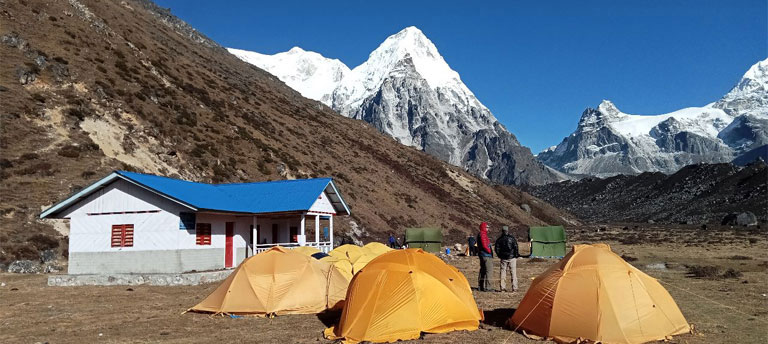
The Kanchenjunga Trek is one of Nepal’s most stunning and quietest Himalayan adventures, guiding adventurers through the remote eastern region of the country. Dominated by the world’s 3rd tallest mountain, Mt. Kanchenjunga (8,586 m), this journey offers a seamless blend of untamed beauty, rich culture, and unspoiled nature. Unlike the well-trodden Everest or Annapurna trails, Kanchenjunga provides an authentic experience of trekking through unspoiled landscapes, traditional villages, and varied habitats ranging from humid woodlands to icy highlands.
This trek draws adventurers seeking solitude and an intimate connection with nature. The routes pass through Rhododendron forests, cultivated hillsides, alpine meadows, and high-altitude valleys, offering panoramic views of towering summits, including Jannu Himal, Rathong Peak, and Kabru Range.
Kanchenjunga Base Camp Trek Itinerary
A typical itinerary for the Kanchenjunga Base Camp takes about 21 to 26 days, depending on the chosen route and rest days. Trekkers can choose to trek to the North Base Camp at Pangpema or undertake the full circuit including both base camps for a well-rounded circuit.
The journey commonly commences with a scenic copyright Kathmandu to Bhadrapur, followed by a drive to Taplejung — the starting point of the trek. From there, the trail climbs steadily through beautiful mountain hamlets such as Sekathum, Ghunsa, and Chirwa before reaching higher altitudes near Lhonak and Pangpema. The northern base camp offers expansive views of Kanchenjunga’s massive north face, while the southern route passes through Ramche and Yalung Base Camp, revealing a contrasting but equally spectacular perspective of the mountain.
Kanchenjunga Circuit — Ultimate Himalayan Journey
For those wanting a full exploration, the Kanchenjunga Circuit Trek connects both the north and south base camps through elevated trails. It offers a remarkable journey across remote terrain, showcasing the contrasting landscapes and cultures of eastern Nepal. The circuit blends excitement with variety — from dense jungles and cascading rivers to barren highlands and icy trails.
This route lets explorers witness the traditions of the Limbu and Rai people, centuries-old gompas, and villages inspired by Tibetan culture, providing a glimpse into the serene coexistence of faith and environment that defines the region.
Kanchenjunga Base Camp Trek Cost
The Kanchenjunga Base Camp Trek cost fluctuates based on the chosen trail, number of participants, and comfort package. On average, it lies in the mid-to-premium range due to its isolated geography and longer duration. Costs typically include necessary permits (such as the Restricted Area Permit and Kanchenjunga Conservation Area Permit), guide and porter services, accommodation, domestic transportation, and daily meals en route.
Since Kanchenjunga is within a controlled zone, trekkers must participate through licensed trekking companies. This ensures compliance with laws, eco-responsibility, and safety. Choosing a reliable local trekking agency ensures smooth logistics, experienced guides, and sustainable practices throughout the expedition.
When to Trek Kanchenjunga
The most suitable months for Kanchenjunga Trek is during the spring (March to May) and autumn (September Kanchenjunga Base Camp Trek to November) seasons. In spring, the trail comes alive with colourful rhododendrons and clear skies, while autumn offers stable weather and excellent mountain visibility.
Winter (December to February) can bring deep snow and frigid winds, making some high trails challenging, whereas the monsoon (June to August) sees heavy rainfall and leeches at lower altitudes. Thus, choosing the right season enhances both comfort and visual delight.
Dual Base Camp Trek — Kanchenjunga
The dual Kanchenjunga base camp route is ideal for those wishing to explore the full grandeur Kanchenjunga Base Camp Trek Cost of the peak. The north base camp (Pangpema) offers a magnificent view of Kanchenjunga’s towering north wall and nearby ice formations, while the south base camp (Yalung) highlights the southern icefalls and alpine valleys.
Crossing both sections provides a deeper appreciation of the region’s geography, flora, and culture. The variation in environment, from green foothills to icy summits, makes this one of the most varied treks in Nepal.
Selecting the Right Trekking Agency in Nepal
Selecting a local Kanchenjunga trekking company is vital for a well-organised and enjoyable journey. Local operators provide experienced guides and handle arrangements professionally while promoting responsible tourism that benefits local communities. They take care of all legal requirements, support porter welfare, and maintain environmental standards on the trail.
Working with a Nepali operator also deepens local interaction, allowing trekkers to connect with traditions and understand local lifestyles. Whether you’re trekking solo or in a group, a competent local team ensures that your experience is fulfilling and worry-free from start to finish.
Kanchenjunga Trek in Nepal — A Journey Beyond the Ordinary
Embarking on the Kanchenjunga Circuit expedition is more than just a physical challenge; it’s a soulful journey through one of the most beautiful mountain regions on Earth. The trek offers explorers serenity, stunning vistas, and meaningful cultural encounters.
Every step introduces new vistas — sparkling streams, hidden monasteries, windswept ridges, and majestic peaks of Kanchenjunga. The region’s remoteness means minimal tourism and a genuine sense of discovery that few other Himalayan treks can match.
Conclusion
The Kanchenjunga Circuit Journey offers a rare opportunity to immerse yourself in the majesty of Nepal’s untamed eastern ranges in their most natural form. Combining exploration, heritage, and nature, it stands out as one of the finest long-distance treks in the world. Whether you choose the northern route, southern trail, or the complete loop, this trek promises an extraordinary journey through untouched landscapes, towering peaks, and warm-hearted locals. For those longing for a pure mountain experience away from the crowds, this trek is second to none.